

Research, Articles & Publications
HPB Robotics case number 350 at RSCH
Case February 1, 2024
HPB Robotics case number 350 at RSCH was a great example of collaboration and teamwork – complex combined OG and HPB procedure with 2 consultants and 2 trainees. Learning points:
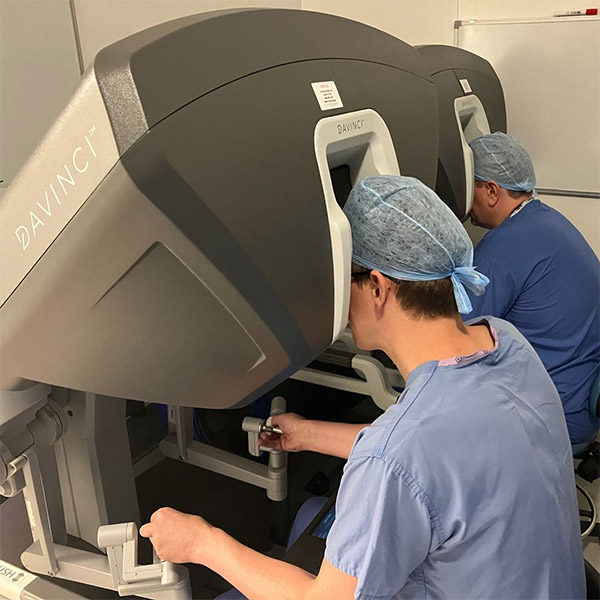
Proctor in robotic HPB surgery
Announcement December 10, 2023
Happy to have become a proctor in robotic HPB surgery. Testament to the benefits of working with some great colleagues and friends, and comes at a really productive time for the programme and unit: Watch this space for some collaborative projects with other units – exciting times!
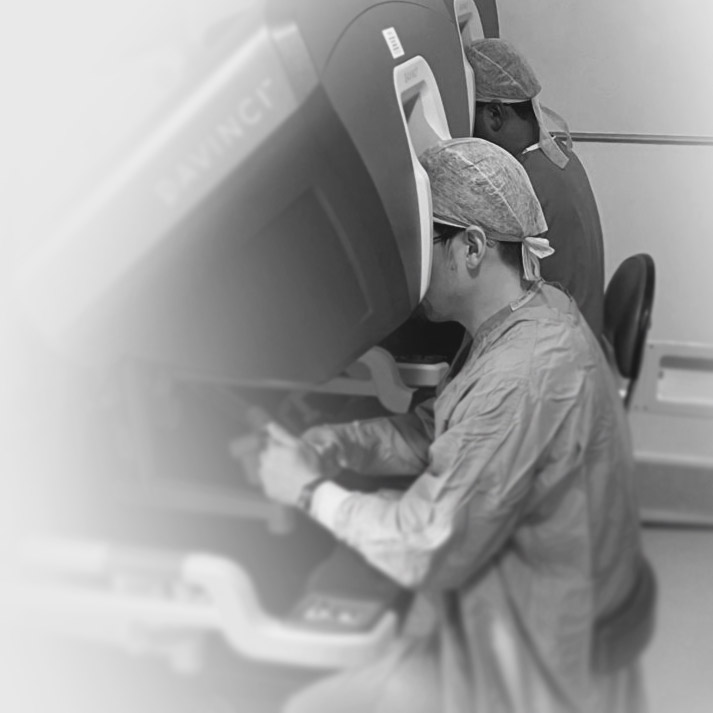
Clinical Fellow in Hepatobiliary and Pancreatic Surgery
Jobs December 1, 2022
Fancy joining a busy tertiary HPB unit working across the spectrum of benign and malignant HPB disease

Pancreatic Incidentalomas on CT Colonography:Ignore, Follow up or Investigate?
Publication June 3, 2022
Increasing use of cross-sectional abdominal imaging such as CT colonography (CTC), has resulted in increased identification of incidental pancreatic cystic lesions. Such incidental findings are a cause for anxiety amongst patients and clinicians and can result in increased cost to healthcare delivery resultant from referral to subsequent investigations. Our study explored the prevalence of incidental cystic pancreatic lesions on CTC at a tertiary pancreatic centre, and their management.
Long-term effects of clinical interventions on nutritional status in patients with chronic pancreatitis – A systematic review
Publication January 6, 2022
Malnutrition in chronic pancreatitis is complex and multifactorial, with malabsorption, pain, toxic dependencies and co-morbidities, such as diabetes, each playing a role. The aims of this systematic review were to assess the impact of nutritional intervention on markers of nutritional status in this complex patient group.
Long-term changes in nutritional status and body composition in patients with malignant pancreatic disease – A systematic review
Publication June 10, 2021
Patients with pancreatic cancer often experience significant deterioration in nutritional status over time. Malnutrition is complex and multifactorial, with malabsorption, pain, toxic dependencies, co-morbidities and malignant processes all playing a role. The aims of this systematic review were to assess nutritional changes over time and identify tolerance of nutritional intervention, thus identifying potential areas for further research to improve patient outcomes.
Which patients benefit from preoperative biliary drainage in resectable pancreatic cancer?
Publication May 26, 2021
Recent studies have indicated that preoperative biliary drainage (PBD) should not be routinely performed in all patients suffering from obstructive jaundice before pancreatic surgery. The severity of jaundice that mandates PBD has yet to be defined. The evaluated paper examines the impact of PBD on intra-operative, and post-operative outcomes in patients initially presenting with severe obstructive jaundice (bilirubin ≥250 μmol/L). In this key paper evaluation, the impact of PBD versus a direct surgery (DS) approach is discussed.
Prognostic relevance of the posterior resection margin for predicting disease free survival in ampullary adenocarcinoma
Publication September 8, 2020
Pancreaticoduodenectomy is the only curative treatment option for patients with resectable ampullary adenocarcinoma (AA). Excellent disease free survival (DFS) can be achieved in patients with clear resection margins but it is poorly understood which patients are at increased risk of recurrence and hence would benefit from adjuvant chemotherapy. There is evolving evidence that the anatomical location of incomplete resection margins influences DFS in pancreatic adenocarcinoma. It is unknown if this also pertains to AA and therefore this study aimed to assess individual resection margin status and other predictors of DFS in AA.
Transition from open and laparoscopic to robotic pancreaticoduodenectomy in a UK tertiary referral hepatobiliary and pancreatic centre – Early experience of robotic pancreaticoduodenectomy
Publication April 1, 2020
Pancreaticoduodenectomy is performed using an open technique (OPD) as the gold standard. An increase in those performed laparoscopically (LPD) and robotically (RPD) are now reported. We compared the short-term outcomes of RPD cases with LPD and OPD.
Rapid Induction of Liver Regeneration for Major Hepatectomy (REBIRTH): A Randomized Controlled Trial of Portal Vein Embolisation versus ALPPS Assisted with Radiofrequency.
Publication March 4, 2019
To avoid liver insufficiency following major hepatic resection, portal vein embolisation (PVE) is used to induce liver hypertrophy pre-operatively. Associating liver partition with portal vein ligation for staged hepatectomy assisted with radiofrequency (RALPPS) was introduced as an alternative method. A randomized controlled trial comparing PVE with RALPPS for the pre-operative manipulation of liver volume in patients with a future liver remnant volume (FLRV) ≤25% (or ≤35% if receiving preoperative chemotherapy) was conducted. The primary endpoint was increase in size of the FLRV. The secondary endpoints were length of time taken for the volume gain, morbidity, operation length and post-operative liver function. Between July 2015 and October 2017, 57 patients were randomised to RALPPS (n = 29) and PVE (n = 28). The mean percentage of increase in the FLRV was 80.7 ± 13.7% after a median 20 days following RALPPS compared to 18.4 ± 9.8% after 35 days (p < 0.001) following PVE. Twenty-four patients after RALPPS and 21 after PVE underwent stage-2 operation. Final resection was achieved in 92.3% and 66.6% patients in RALPPS and PVE, respectively (p = 0.007). There was no difference in morbidity, and one 30-day mortality after RALPPS (p = 0.991) was reported. RALPPS is more effective than PVE in increasing FLRV and the number of patients for surgical resection.
Regional chemotherapy by isolated limb perfusion prior to surgery compared with surgery and post-operative radiotherapy for primary, locally advanced extremity sarcoma: a comparison of matched cohorts.
Publication July 2, 2018
Induction chemotherapy by isolated limb perfusion (ILP) with melphalan and tumour necrosis factor-α is an effective strategy to facilitate limb-conserving surgery in locally advanced extremity sarcoma. In a comparison of cohorts matched for grade, size and surgical resectability, we compared the outcome of patients undergoing induction ILP prior to limb-conserving surgery and selective post-operative radiotherapy with patients undergoing limb-conserving surgery and routine post-operative radiotherapy.
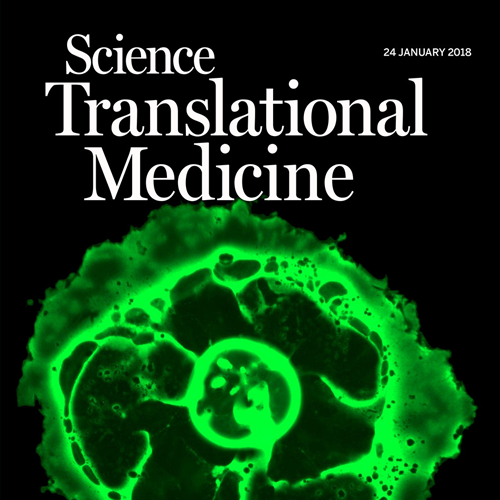
Genetically modified lentiviruses that preserve microvascular function protect against late radiation damage in normal tissues.
Publication January 24, 2018
Improvements in cancer survival mean that long-term toxicities, which contribute to the morbidity of cancer survivorship, are being increasingly recognized. Late adverse effects (LAEs) in normal tissues after radiotherapy (RT) are characterized by vascular dysfunction and fibrosis causing volume loss and tissue contracture, for example, in the free flaps used for immediate breast reconstruction after mastectomy. We evaluated the efficacy of lentivirally delivered superoxide dismutase 2 (SOD2) overexpression and connective tissue growth factor (CTGF) knockdown by short hairpin RNA in reducing the severity of LAEs in an animal model of free flap LAEs. Vectors were delivered by intra-arterial injection, ex vivo, to target the vascular compartment. LVSOD2 and LVshCTGF monotherapy before irradiation resulted in preservation of flap volume or reduction in skin contracture, respectively. Flaps transduced with combination therapy experienced improvements in both volume loss and skin contracture. Both therapies reduced the fibrotic burden after irradiation. LAEs were associated with impaired vascular perfusion, loss of endothelial permeability, and stromal hypoxia, which were all reversed in the treatment model. Using a tumor recurrence model, we showed that SOD2 overexpression in normal tissues did not compromise the efficacy of RT against tumor cells but appeared to enhance it. LVSOD2 and LVshCTGF combination therapy by targeted, intravascular delivery reduced LAE severities in normal tissues without compromising the efficacy of RT and warrants translational evaluation as a free flap-targeted gene therapy.
Portal hypertension and chylous ascites complicating acute pancreatitis: the therapeutic value of portal vein stenting.
Publication October 19, 2017
Chylous ascites as a consequence of acute pancreatitis is very rare. We present an unusual case of a 73-year-old man who developed refractory chylous ascites one month after an acute severe episode of gallstone pancreatitis, associated with portal hypertension. He was successfully treated with portal vein stenting, which has remained patent to date.
Oncolytic vaccinia virus combined with radiotherapy induces apoptotic cell death in sarcoma cells by down-regulating the inhibitors of apoptosis.
Publication October 22, 2016
Advanced extremity melanoma and sarcoma present a significant therapeutic challenge, requiring multimodality therapy to treat or even palliate disease. These aggressive tumours are relatively chemo-resistant, therefore new treatment approaches are urgently required. We have previously reported on the efficacy of oncolytic virotherapy (OV) delivered by isolated limb perfusion. In this report, we have improved therapeutic outcomes by combining OV with radiotherapy. In vitro, the combination of oncolytic vaccinia virus (GLV-1h68) and radiotherapy demonstrated synergistic cytotoxicity. This effect was not due to increased viral replication, but mediated through induction of intrinsic apoptosis. GLV-1h68 therapy downregulated the anti-apoptotic BCL-2 proteins (MCL-1 and BCL-XL) and the downstream inhibitors of apoptosis, resulting in cleavage of effector caspases 3 and 7. In an in vivo ILP model, the combination of OV and radiotherapy significantly delayed tumour growth and prolonged survival compared to single agent therapy. These data suggest that the virally-mediated down-regulation of anti-apoptotic proteins may increase the sensitivity of tumour cells to the cytotoxic effects of ionizing radiation. Oncolytic virotherapy represents an exciting candidate for clinical development when delivered by ILP. Its ability to overcome anti-apoptotic signals within tumour cells points the way to further development in combination with conventional anti-cancer therapies.

Isolated limb perfusion with biochemotherapy and oncolytic virotherapy combines with radiotherapy and surgery to overcome treatment resistance in an animal model of extremity soft tissue sarcoma.
Publication April 26, 2016
The management of locally advanced or recurrent extremity sarcoma often necessitates multimodal therapy to preserve a limb, of which isolated limb perfusion (ILP) is a key component. However, with standard chemotherapeutic agents used in ILP, the duration of response is limited. Novel agents or treatment combinations are urgently needed to improve outcomes. Previous work in an animal model has demonstrated the efficacy of oncolytic virotherapy when delivered by ILP and, in this study, we report further improvements from combining ILP-delivered oncolytic virotherapy with radiation and surgical resection. In vitro, the combination of radiation with an oncolytic vaccinia virus (GLV-1h68) and melphalan demonstrated increased cytotoxicity in a panel of sarcoma cell lines. The effects were mediated through activation of the intrinsic apoptotic pathway. In vivo, combinations of radiation, oncolytic virotherapy and standard ILP resulted in delayed tumour growth and prolonged survival when compared with standard ILP alone. However, local disease control could only be secured when such treatment was combined with surgical resection, the timing of which was crucial in determining outcome. Combinations of oncolytic virotherapy with surgical resection and radiation have direct clinical relevance in extremity sarcoma and represent an exciting prospect for improving outcomes in this pathology.
A totally laparoscopic associating liver partition and portal vein ligation for staged hepatectomy assisted with radiofrequency (radiofrequency assisted liver partition with portal vein ligation) for staged liver resection.
Publication March 28, 2016
In order to induce liver hypertrophy to enable liver resection in patients with a small future liver remnant (FLR), various methods have been proposed in addition to portal vein embolisation (PVE). Most recently, the associating liver partition and portal vein ligation for staged hepatectomy (ALPPS) technique has gained significant international interest. This technique is limited by the high morbidity associated with an in situ liver splitting and the patient undergoing two open operations. We present the case of a variant ALPPS technique performed entirely laparoscopically with no major morbidity or mortality. An increased liver volume of 57.9% was seen after 14 days. This technique is feasible to perform and compares favourably to other ALPPS methods whilst gaining the advantages of laparoscopic surgery.
Adenovirally delivered enzyme prodrug therapy with herpes simplex virus-thymidine kinase in composite tissue free flaps shows therapeutic efficacy in rat models of glioma.
Publication February 1, 2015
Free flap gene therapy exploits a novel therapeutic window when viral vectors can be delivered into a flap ex vivo. The authors investigated the therapeutic potential of an adenovirally-delivered thymidine kinase/ganciclovir prodrug system expressed following vector delivery into a free flap.
Isolated limb perfusion with melphalan, tumour necrosis factor-alpha and oncolytic vaccinia virus improves tumour targeting and prolongs survival in a rat model of advanced extremity sarcoma.
Publication June 30, 2014
Isolated limb perfusion (ILP) is a treatment for advanced extremity sarcoma and in-transit melanoma. Advancing this procedure by investigating the addition of novel agents, such as cancer-selective oncolytic viruses, may improve both the therapeutic efficacy of ILP and the tumour-targeted delivery of oncolytic virotherapy. Standard in vitro assays were used to characterise single agent and combinatorial activities of melphalan, tumour necrosis factor-alpha (TNF-α) and Lister strain vaccinia virus (GLV-1h68) against BN175 rat sarcoma cells. An orthotopic model of advanced extremity sarcoma was used to evaluate survival of animals after ILP with combinations of TNF-α, melphalan and GLV-1h68. We investigated the efficiency of viral tumour delivery by ILP compared to intravenous therapy, the locoregional and systemic biodistribution of virus after ILP, and the effect of mode of administration on antibody response. The combination of melphalan and GLV-1h68 was synergistic in vitro. The addition of virus to standard ILP regimens was well tolerated and demonstrated superior tumour targeting compared to intravenous administration. Triple therapy (melphalan/TNF-α/GLV-1h68) resulted in increased tumour growth delay and enhanced survival compared to other treatment regimens. Live virus was recovered in large amounts from perfused regions, but in smaller amounts from systemic organs. The addition of oncolytic vaccinia virus to existing TNF-α/melphalan-based ILP strategies results in survival advantage in an immunocompetent rat model of advanced extremity sarcoma. Virus administered by ILP has superior tumour targeting compared to intravenous delivery. Further evaluation and clinical translation of this approach is warranted.
Successful thrombolysis of a late acute thrombotic occlusion of an aortic prosthesis after endovascular aneurysm repair.
Publication March 12, 2014
A 79-year-old man with a previous endovascular aneurysm repair (EVAR) for a 5.4-cm abdominal aortic aneurysm presented 3 years after the procedure with sudden onset lower limb paralysis and pain. The diagnosis of acute aortic thrombosis within the aortic prosthesis graft was made and confirmed on computed tomography. Thrombolysis delivered into the graft via a radiologically placed catheter successfully dissolved the thrombus and resulted in improvement of the patient’s symptoms. We discuss the presentation of, and role in management of thrombolysis in, this rare complication of aneurysm repair.

Optimising measles virus-guided radiovirotherapy with external beam radiotherapy and specific checkpoint kinase 1 inhibition.
Publication July 1, 2013
We previously reported a therapeutic strategy comprising replication-defective NIS-expressing adenovirus combined with radioiodide, external beam radiotherapy (EBRT) and DNA repair inhibition. We have now evaluated NIS-expressing oncolytic measles virus (MV-NIS) combined with NIS-guided radioiodide, EBRT and specific checkpoint kinase 1 (Chk1) inhibition in head and neck and colorectal models.
Synergistic cytotoxicity of radiation and oncolytic Lister strain vaccinia in (V600D/E)BRAF mutant melanoma depends on JNK and TNF-α signaling.
Publication April 29, 2013
Melanoma is an aggressive skin cancer that carries an extremely poor prognosis when local invasion, nodal spread or systemic metastasis has occurred. Recent advances in melanoma biology have revealed that RAS-RAF-MEK-ERK signaling has a pivotal role in governing disease progression and treatment resistance. Proof-of-concept clinical studies have shown that direct BRAF inhibition yields impressive responses in advanced disease but these are short-lived as treatment resistance rapidly emerges. Therefore, there is a pressing need to develop new targeted strategies for BRAF mutant melanoma. As such, oncolytic viruses represent a promising cancer-specific approach with significant activity in melanoma. This study investigated interactions between genetically-modified vaccinia virus (GLV-1h68) and radiotherapy in melanoma cell lines with BRAF mutant, Ras mutant or wild-type genotype. Preclinical studies revealed that GLV-1h68 combined with radiotherapy significantly increased cytotoxicity and apoptosis relative to either single agent in (V600D)BRAF/(V600E)BRAF mutant melanoma in vitro and in vivo. The mechanism of enhanced cytotoxicity with GLV-1h68/radiation (RT) was independent of viral replication and due to attenuation of JNK, p38 and ERK MAPK phosphorylation specifically in BRAF mutant cells. Further studies showed that JNK pathway inhibition sensitized BRAF mutant cells to GLV-1h68-mediated cell death, mimicking the effect of RT. GLV-1h68 infection activated MAPK signaling in (V600D)BRAF/(V600E)BRAF mutant cell lines and this was associated with TNF-α secretion which, in turn, provided a prosurvival signal. Combination GLV-1h68/RT (or GLV-1h68/JNK inhibition) caused abrogation of TNF-α secretion. These data provide a strong rationale for combining GLV-1h68 with irradiation in (V600D/E)BRAF mutant tumors.
Targeted gene delivery by free-tissue transfer in oncoplastic reconstruction.
Publication September 1, 2012
Surgery is the most effective curative treatment for various tumour types. Despite a current preference for conservative surgery, radical excision retains a clearly defined role in modern management of locoregional disease. Extirpative defects are reconstructed routinely using free-tissue transfer from a distant donor site. Although these free flaps currently provide no direct therapeutic benefit, advances in gene-delivery techniques offer the possibility to genetically modify flaps to produce potent targeted treatments with greater anatomical control. Several promising therapeutic strategies, including virus-directed enzyme prodrug therapy, genetic radionuclide therapy, and free-flap radioprotection, have the potential to extend the role of the free flap beyond its immediate goal of restoring form and function to patients, but challenges exist. Work to translate therapeutic free-tissue transfer from preclinical study to clinical use is in progress.
Oncolytic Vaccinia virus and radiotherapy in head and neck cancer.
Publication August 25, 2012
Oncolytic forms of attenuated Vaccinia virus are now in clinical development, assessing the compatibility of this novel treatment with radiotherapy may reveal exploitable synergistic relationships.
Synergistic cytotoxicity of oncolytic reovirus in combination with cisplatin-paclitaxel doublet chemotherapy.
Publication August 16, 2012
Oncolytic reovirus is currently under active investigation in a range of tumour types. Early phase studies have shown that this agent has modest monotherapy efficacy and its future development is likely to focus on combination regimens with cytotoxic chemotherapy. Indeed, phase I/II clinical trials have confirmed that reovirus can be safely combined with cytotoxic drugs, including a platin-taxane doublet regimen, which is currently being tested in a phase III clinical trial in patients with relapsed/metastatic head and neck cancer. Therefore, we have tested this triple (reovirus, cisplatin, paclitaxel) combination therapy in a panel of four head and neck cancer cell lines. Using the combination index (CI) method, the triple therapy demonstrated synergistic cytotoxicity in vitro in both malignant and non-malignant cell lines. In head and neck cancer cell lines, this was associated with enhanced caspase 3 and 7 cleavage, but no increase in viral replication. In vitro analyses confirmed colocalisation of markers of reovirus infection and caspase 3. Triple therapy was significantly more effective than reovirus or cisplatin-paclitaxel in athymic nude mice. These data suggest that the combination of reovirus plus platin-taxane doublet chemotherapy has significant activity in head and neck cancer and underpin the current phase III study in this indication.
Combination of a fusogenic glycoprotein, pro-drug activation and oncolytic HSV as an intravesical therapy for superficial bladder cancer.
Publication January 12, 2012
There are still no effective treatments for superficial bladder cancer (SBC)/non-muscle invasive bladder cancer. Following treatment, 20% of patients still develop metastatic disease. Superficial bladder cancer is often multifocal, has high recurrences after surgical resection and recurs after intravesical live Bacillus Calmette-Guérin. Oncovex(GALV/CD), an oncolytic herpes simplex virus-1, has shown enhanced local tumour control by combining oncolysis with the expression of a highly potent pro-drug activating gene and the fusogenic glycoprotein.
Treatment for breast sarcoma: a large, single-centre series.
Publication August 1, 2011
To report outcomes in breast sarcoma in the context of a major series from a tertiary referral centre.
Does the two-week rule pathway improve the diagnosis of soft tissue sarcoma? A retrospective review of referral patterns and outcomes over five years in a regional sarcoma centre.
Publication July 1, 2010
The NHS Cancer Plan was introduced in 2000 and included guidelines for the rapid assessment and referral of cases of suspected malignancy. We wished to assess the efficiency and appropriateness of patients referred under the Department of Health’s general practitioner referral guidelines implemented for sarcomas in December 2000.
Locoregional intravascular viral therapy of cancer: precision guidance for Paris’s arrow?
Publication May 6, 2010
Viral therapy of cancer includes strategies such as viral transduction of tumour cells with ‘suicide genes’, using viral infection to trigger immune-mediated tumour cell death and using oncolytic viruses for their direct anti-tumour action. However, problems still remain in terms of adequate viral delivery to tumours. A role is also emerging for single-organ isolation and perfusion. Having begun with the advent of isolated limb perfusion for extremity malignancy, experimental systems have been developed for the perfusion of other organs, particularly the liver, kidneys and lungs. These are beginning to be adopted into clinical treatment pathways. The combination of these two modalities is potentially significant. Locoregional perfusion increases the exposure of tumour cells to viral agents. In addition, the avoidance of systemic elimination through the immune and reticulo-endothelial systems should provide a mechanism for increased transduction/infection of target cells. The translation of laboratory research to clinical practice would occur within the context of perfusion programmes, which are already established in the clinic. Many of these programmes include the use of vasoactive cytokines such as tumour necrosis factor-α, which may have an effect on viral uptake. Evidence of activation of specific anti-tumour immunological responses by intratumoural and other existing methods of viral administration raises the intriguing possibility of a locoregional therapy, with the ability to affect distant sites of disease. In this review, we examined the state of the literature in this area and summarized current findings before indicating likely areas of continuing interest.
The surgical management of soft tissue tumours arising in the abdominal wall.
Publication May 1, 2010
Soft-tissue tumours can occur at almost any site, including the abdominal wall and represent a biologically diverse group of benign and malignant tumours.
Breast sarcoma – a review of diagnosis and management.
Publication December 11, 2008
Sarcoma of the breast is a rare condition. The biological differences from other primary breast tumours necessitate a corresponding difference in approach to diagnostic and management strategies. The rarity of the condition has made clinicopathological study difficult, with most series limited to less than 50 patients. We review the current literature on the diagnosis and management of breast sarcoma, and highlight areas of likely future development.
Conservative treatment of an early aortic graft infection due to Acinetobacter baumanii.
Publication May 1, 2006
Acute infection of an aortic graft is a devastating complication. While resection of the infected prosthesis and extra-anatomic bypass is the established treatment, this carries a high mortality. We describe a case of early aortic graft infection with the unusual organism Acinetobacter baumanii, which was eradicated by a combination of surgical drainage and antibiotics, allowing preservation of the graft. The patient remains well 30 months later.